Tomodachi Life Moved 52,483 Copies in Japan — and Outsold the PS5 Digital Edition 8-to-1
Famitsu's first tally after Nintendo's price increase shows Tomodachi Life: Living the Dream dominating Japan's software chart — and outselling Sony's PS5 Digital Edition hardware by more than 8-to-1.
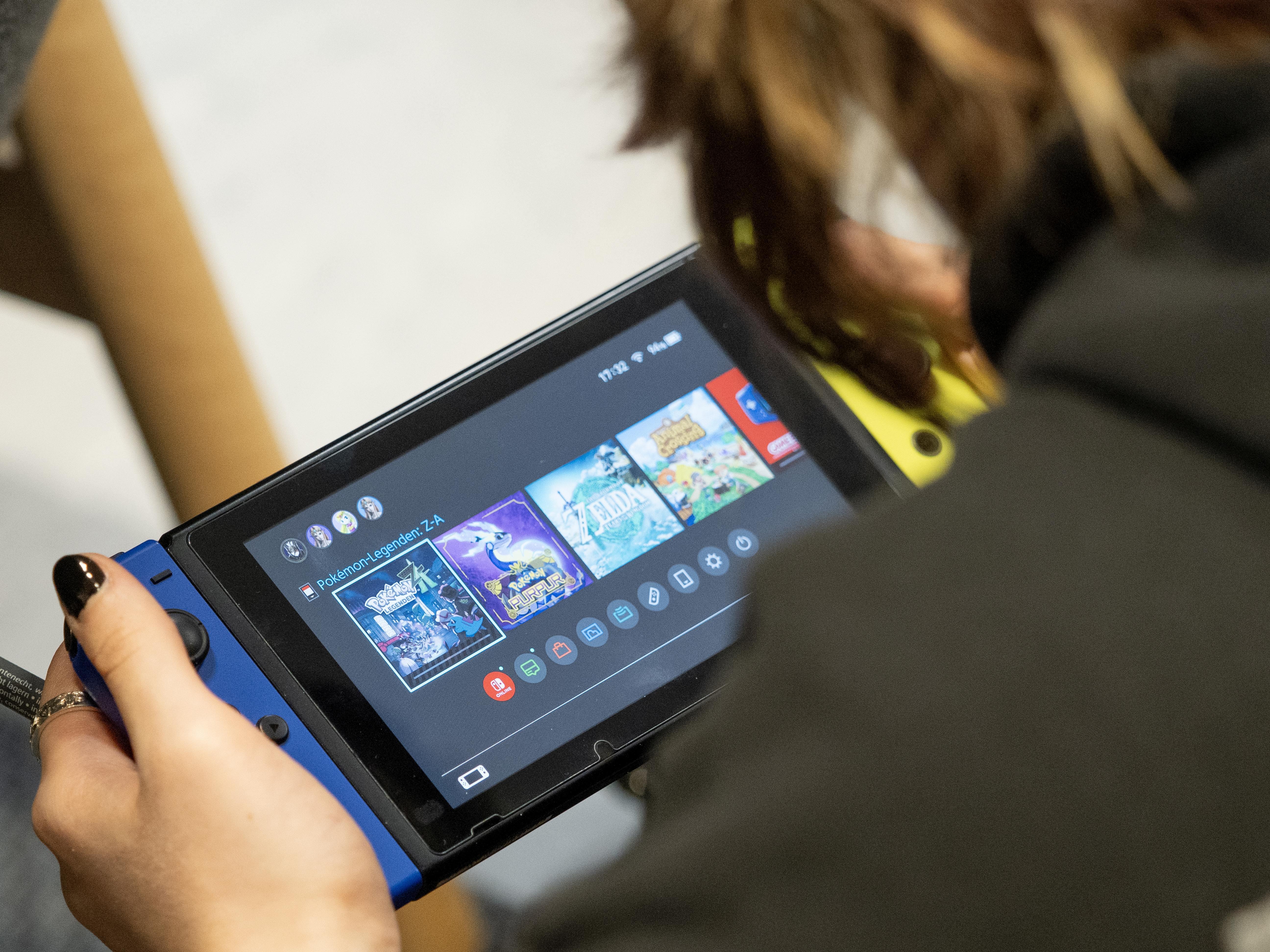
The hand-wringing about Nintendo’s price hike didn’t last long. In Switch 2’s first tracked sales window after the increase — the week of May 25–31, 2026 — Tomodachi Life: Living the Dream debuted at 52,483 copies in Japan, per Famitsu data reported by Nintendo Everything. That’s not a soft launch padded by low expectations. That’s a statement.
For scale, consider where the rest of the chart landed. 007 First Light, IO Interactive’s Bond debut and the week’s second-best Switch 2 title, sold 20,690 copies in the same window. That’s a respectable opener — but it’s less than 40% of Tomodachi Life’s total, which tells you just how lopsided demand was that week. There was a winner, and then there was everyone else.
The hardware comparison is even starker. The PS5 Digital Edition moved 6,527 units in Japan over the same period. Tomodachi Life alone outsold Sony’s entire console by more than 8-to-1. One game. One week. One direction of traffic.
None of this means the price increase is painless — we don’t have the pre-hike week-over-week comparisons to call that definitively. What the numbers do show is that Nintendo’s software pipeline held up its end of the deal. Tomodachi Life is a franchise with a deeply loyal audience and a long wait between entries, and that pent-up demand converted at the register even with a pricier platform attached.
007 First Light’s 20,690-unit opening is worth watching, too. IO Interactive built a new Bond game from scratch and placed it on a freshly launched console — that’s a non-trivial bet, and the debut numbers are encouraging even if there’s a sizeable gap between first and second place on Nintendo’s new platform.
The real signal here: Switch 2’s first post-hike week in Japan was led by software people actually wanted, and the hardware momentum was enough to put Nintendo’s numbers in a different zip code from the competition. If the rest of the 2026 lineup holds, that gap isn’t closing anytime soon.